Seven options ranked, from cheap fixes to heated gutter guards.
The quick answer: the best ice dam prevention keeps heat out of the roof and gives meltwater a way off the edge. Start with attic air sealing and insulation, which fix the cause. Then add roof raking after big storms. For runs that still ice up, use heat at the edge, and heated gutter guards are the cleanest way to do it. Below are seven options, ranked roughly from cheapest to most involved.
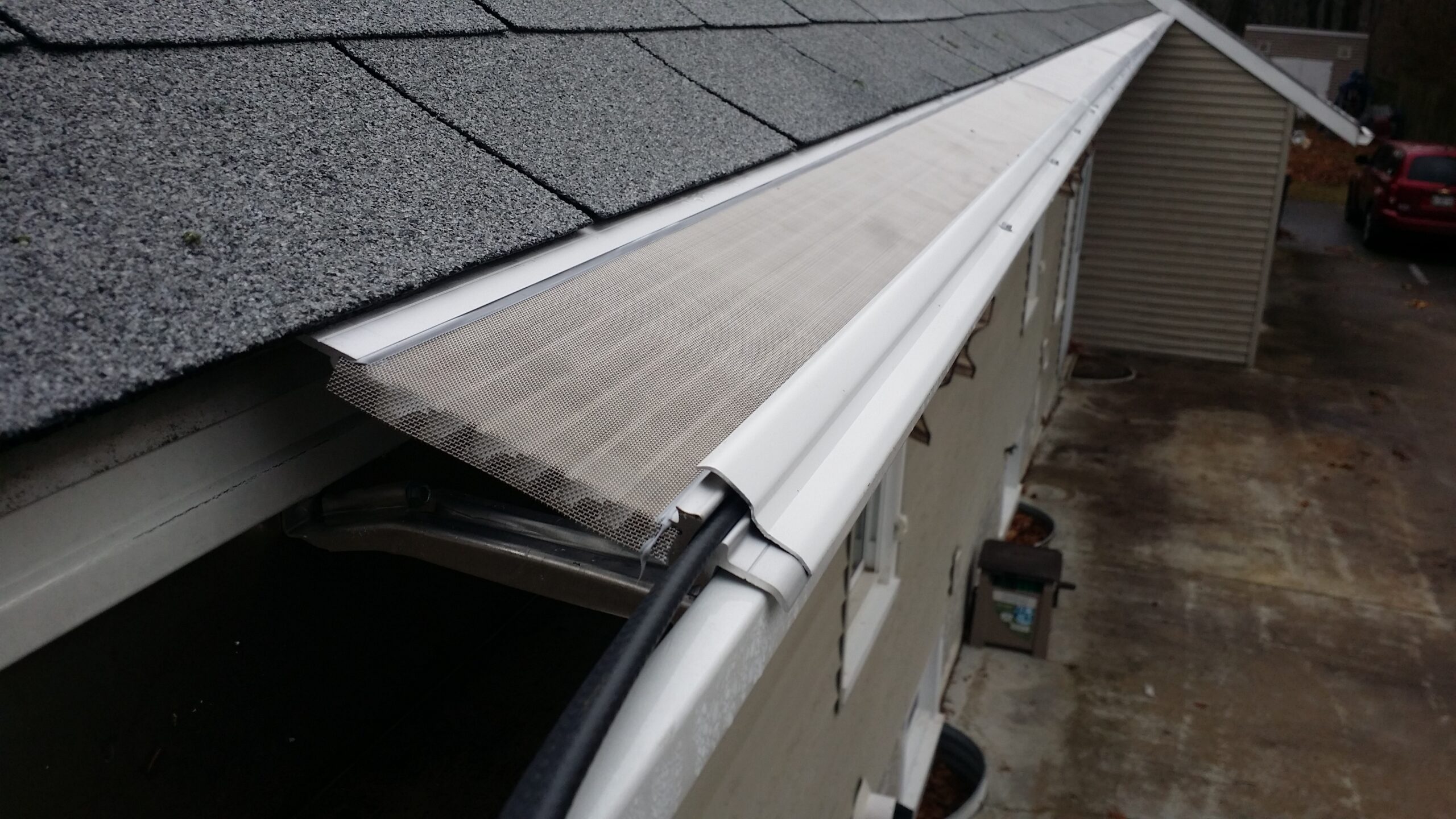
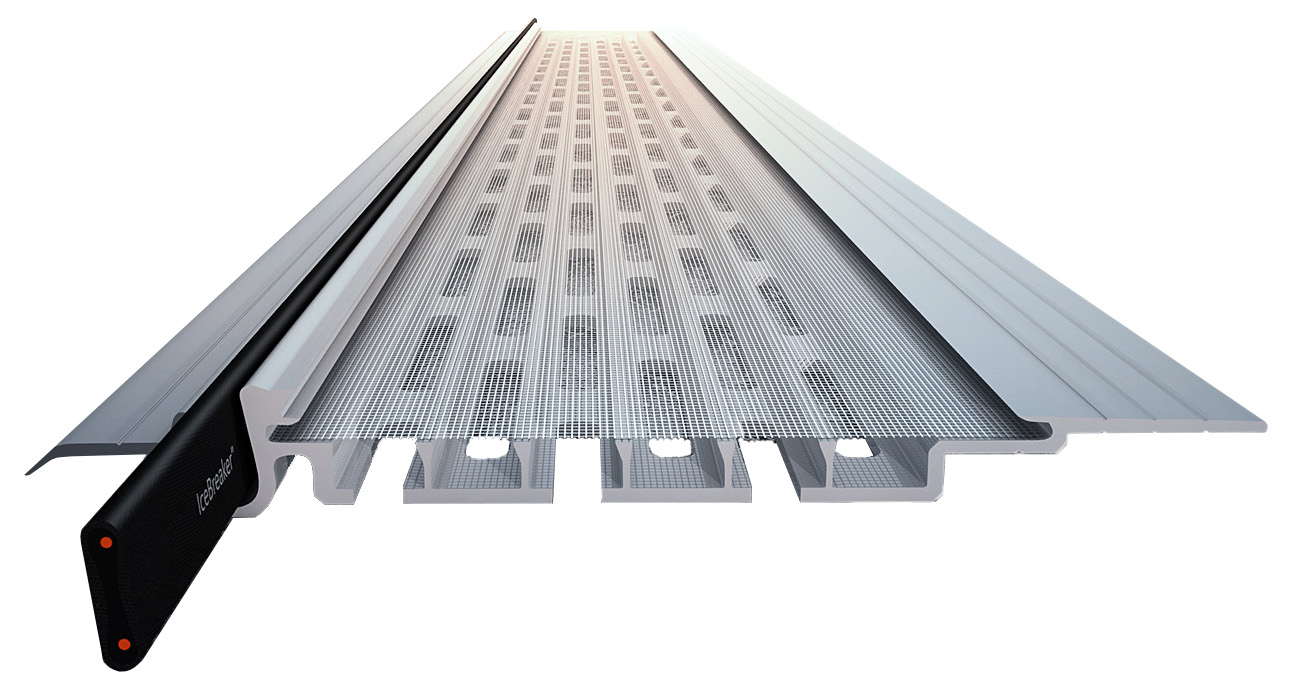
Diagram of ice dam prevention with heated gutter guards
Why ice dams happen in the first place
Heat leaking from the house warms the attic and the roof deck. Snow on the upper roof melts, runs down under the snow and refreezes at the cold eave. The ice grows into a dam, and water pools behind it. The UMass Building and Construction Technology program puts the fix in that order: stop the heat, then manage the edge. Our guide to what an ice dam is explains the cycle in more detail.
The options at a glance
Option
Fixes the cause or the edge?
Effort
Attic air sealing
Cause
Low to moderate
Attic insulation
Cause
Moderate
Attic ventilation
Cause
Moderate
Roof raking
Edge, after each storm
Low, but repeated
Clear gutters and guards
Edge
Low
Heat cable
Edge
Moderate
Heated gutter guards
Edge, all winter
One install
The cause fixes are worth doing on almost every older house. The edge fixes decide how much ice still reaches the gutter.
1. Seal attic air leaks
This is usually the cheapest fix with the biggest effect. Warm air escapes into the attic around light fixtures, plumbing pipes, the attic hatch, chimneys and top plates of walls. Sealing those gaps keeps heat in the house and off the roof deck. ENERGY STAR walks through an attic air sealing project step by step, and many New England utilities offer free home energy assessments that include it.
Roof edge clear of ice in winter
2. Add attic insulation
Once the leaks are sealed, insulation slows the heat that conducts through the ceiling. Many older capes and colonials in RI, MA and CT have far less than current recommendations. Pay attention to the eaves, where insulation is often thin and where the roof edge needs to stay cold.
3. Fix attic ventilation
Soffit vents bring cold air in at the eaves, and ridge or gable vents let warm air out at the top. Together they keep the roof deck closer to outdoor temperature. Blocked soffit vents, often covered by insulation, are common. Baffles keep the path open.
4. Rake the lower roof after big storms
A roof rake on an extension pole lets you pull snow off the bottom few feet of roof from the ground. Less snow at the edge means less meltwater feeding the dam. It costs little, but it means going out after every big storm, and it does not help on roofs you cannot reach.
5. Keep gutters and downspouts clear
A gutter packed with frozen leaves backs up faster, and a frozen downspout plugs the whole run. Clean gutters in late fall and check downspout outlets after the first hard freeze. Unheated micro-mesh Gutterglove Pro gutter guards keep leaves out year-round. Our guide to gutter guards in winter covers how they behave in snow.
6. Heat cable on the roof edge
Heat tape clipped in a zigzag melts channels so water can drain. It works, costs less than a heated guard and suits one short problem run. But it shows from the street, needs re-clipping and does nothing about leaves. Our heat tape for gutters vs heated gutter guards comparison covers when it makes sense.
7. Heated gutter guards
For runs that ice up every winter no matter what, heated gutter guards keep the gutter and downspouts open. On the IceBreaker system we install, a self-regulating cable sits under a micro-mesh guard and runs down each downspout. It keeps out leaves all year and keeps meltwater moving all winter. Most homes heat only the problem runs. See the heated gutter guards cost guide for typical prices, and the running cost guide for the electricity side.
Mistakes that make ice dams worse
Chipping ice off the roof, which tears shingles and lets more water in
Adding insulation over leaky ceiling penetrations without sealing them first
Blocking soffit vents with insulation, which warms the roof edge
Running heat tape on a plain switch all winter, which wastes power
Ignoring a frozen downspout, which backs up the whole gutter
Most of these come from fixing the symptom instead of the cause. Start with the attic, then manage the edge.
Which options to combine
Most houses need more than one. A common plan is air sealing and insulation for the whole attic, plus heat on the two or three runs that still ice up, such as the north side, under a valley or over the front steps. If you want help working out which runs those are, we will walk the house with you. Call the owner, Brad, at 888-662-5644.
Common questions
What is the best way to prevent ice dams?
Seal attic air leaks and add insulation to keep heat off the roof, then add heat at the edge on runs that still ice up.
Do heated gutter guards prevent ice dams?
They keep ice from forming in the gutter and at the roof edge and keep downspouts draining, which is where most leaks start. Attic work still matters for the upper roof.
When should I do ice dam prevention?
Fall is best, before the first snow. Air sealing and insulation can be done any time of year.
Does a metal roof prevent ice dams?
It helps, because snow slides off metal faster. But heat loss can still melt snow at the top that refreezes at the eave, so attic work still matters.
Want a real number for your home instead of a national average? We will measure your roof, check your gutters, and quote your gutter guards in writing, at no charge.