How ice dams form, how to spot one and why they leak.
The quick answer: what is an ice dam? It is a ridge of ice that forms along the lower edge of a roof and stops melting snow from draining off. The water pools behind the ice, backs up under the shingles and leaks into the soffit, walls or ceilings. Ice dams start when heat from the house melts snow on the upper roof and the water refreezes at the cold edge. Keeping the gutter and roof edge clear is part of the fix, which is where heated gutter guards come in.
Icicles and ice building along a roof edge
How an ice dam forms
Picture a roof after a snowstorm. The attic below the upper roof is warm, because heat leaks up from the house. That warmth melts the bottom layer of snow, and the water runs downhill under the snow blanket.
When it reaches the eave, the roof is cold, because the eave hangs out past the warm walls. The water freezes there. Each day it melts above and freezes below, so the ridge of ice grows. Soon there is a pond of water sitting on the roof behind it. The UMass Building and Construction Technology program describes the same cycle: warm roof above, cold edge below.
Why New England gets so many ice dams
Our winters are made for them. A foot of snow is common, and the weather swings from the teens at night to the high thirties in the afternoon. Every swing adds a layer of ice. Older capes, colonials and cottages also tend to have low attic insulation and lots of air leaks, which puts more heat into the roof.
North-facing roofs, roof valleys and low porch roofs get the worst of it. They hold snow longer and get little sun to clear the edge.
Warning signs of an ice dam
Thick icicles along the gutter line, especially on the same runs every winter
A ridge of ice along the roof edge or filling the gutter
Water stains or peeling paint on ceilings near outside walls
Damp or frosty insulation in the attic near the eaves
Water dripping behind the gutter or down the siding on a cold day
Gutters pulling away from the fascia under the weight of ice
Icicles alone do not always mean a dam, but big ones on the same spots year after year are a strong hint.
Diagram of how an ice dam forms at the roof edge in winter
Ice dams vs icicles
People often use the two words for the same thing, but they are different. Icicles are the drips that freeze as they fall off the edge. An ice dam is the ridge of ice sitting on the roof itself, along the eave. You can have icicles without a dam, for example on a sunny afternoon after a light snow.
The worry is when both show up together, on the same runs, winter after winter. That pattern means water is melting higher up and refreezing at the edge every cold night. So it is worth checking the attic and the gutter on that part of the house before the next storm.
What damage ice dams do
The damage is mostly from water, not ice. Water that backs up under shingles soaks the roof deck and runs into the soffit and the top of the walls. Inside, that shows up as stained ceilings, wet insulation, bubbling paint and sometimes mold. Outside, ice can rot fascia boards and tear gutters off the house.
The repair is rarely just one item. A single leak can mean drywall, paint, insulation and exterior trim, and it can come back the next winter if nothing changes. Our ice dam insurance guide covers what policies usually pay for.
What to do if you have an ice dam now
First, get water moving. Clear the downspouts at the bottom, where they freeze first. Pull snow off the lower few feet of roof with a roof rake from the ground. Do not chip at the ice with a hammer or shovel, because that tears shingles and gutters.
If water is already coming inside, catch it and call a roofer or ice dam removal service. Our guide to removing ice from gutters covers what is safe to do yourself.
How to stop ice dams coming back
There are two halves to the fix. The first is keeping heat out of the roof: seal air leaks into the attic, add insulation and make sure the soffit and ridge vents work. That deals with the cause. The second is giving water a way off the roof at the edge, so the melt that still happens can drain.
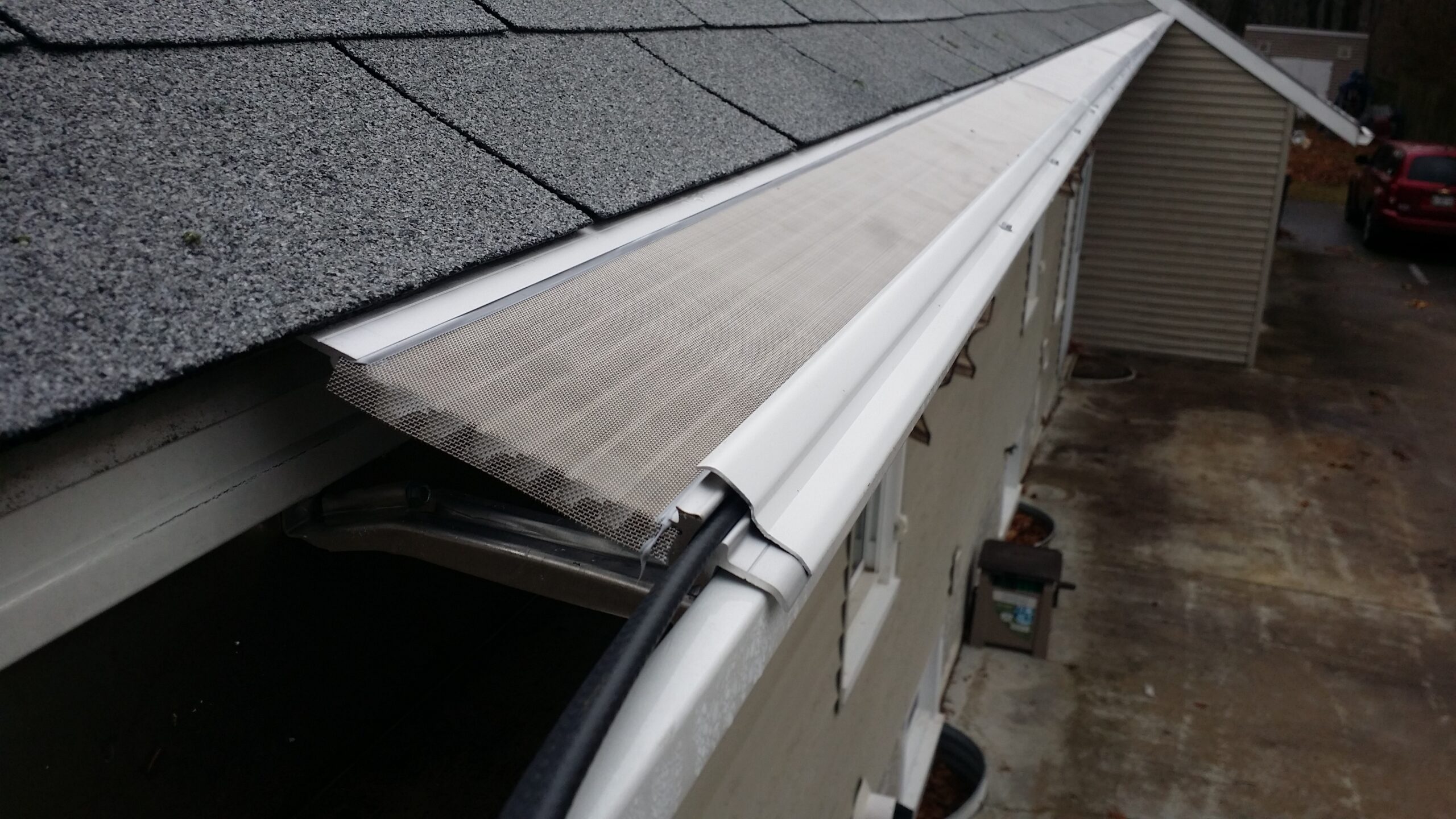
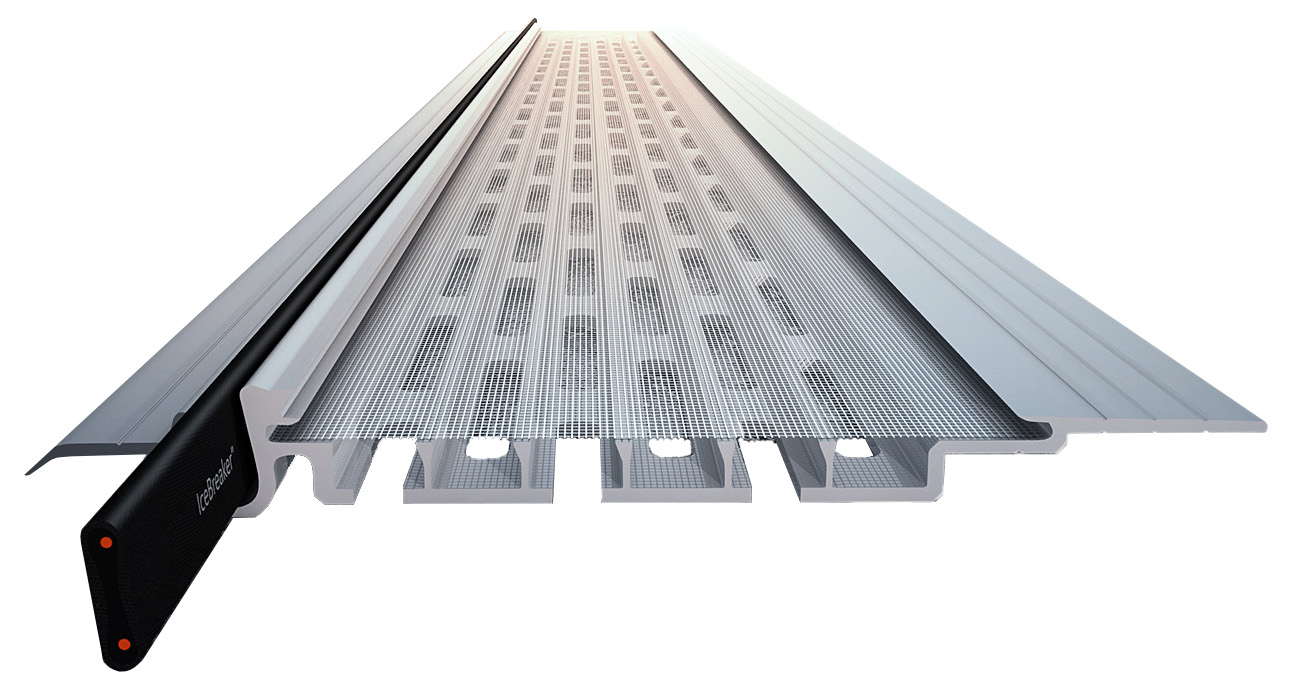
That second half is what heated gutter guards do. A self-regulating cable inside the guard and down each downspout keeps the gutter open all winter. Our ice dam prevention guide ranks the options from cheapest to most involved.
When to call us
If the same runs ice up every winter, we will look at the house, show you where the ice forms and tell you whether heat at the gutter makes sense. We install IceBreaker heated gutter guards across Rhode Island, Massachusetts and Connecticut. Call the owner, Brad, at 888-662-5644.
Common questions
What causes an ice dam?
Heat escaping from the house warms the roof deck and melts snow on the upper roof. The water refreezes at the cold roof edge and builds a ridge of ice.
Are icicles a sign of an ice dam?
Often. Large icicles along the same gutter runs every winter usually mean water is melting higher up and refreezing at the edge.
Can an ice dam damage my roof?
Yes. Water backing up under shingles soaks the roof deck and can leak into the soffit, walls and ceilings. Ice can also pull gutters and fascia off the house.
Do gutters cause ice dams?
No. Ice dams form at the roof edge whether or not there is a gutter. A clogged or frozen gutter can make the backup worse, though.
How long does an ice dam last?
Until the weather warms up enough to melt it, which can be days or weeks in a cold spell. It often grows each night while the snow above keeps melting.
Can I prevent ice dams myself?
Partly. Sealing attic air leaks, adding insulation and raking snow off the lower roof all help. For runs that still ice up, heat at the gutter is the usual next step.
Want a real number for your home instead of a national average? We will measure your roof, check your gutters, and quote your gutter guards in writing, at no charge.