The electricity math for New England winters, and how to keep it low.
The quick answer: the cost to run heated gutters is about $60 to $190 a season for 100 feet of self-regulating cable on a controller, at around 30 cents per kWh. A long, hard winter can push that toward $250. Constant-wattage tape on a timer usually costs more. The heated gutter guards we install use self-regulating cable, and most homes heat only the runs that ice up, which keeps the bill down.
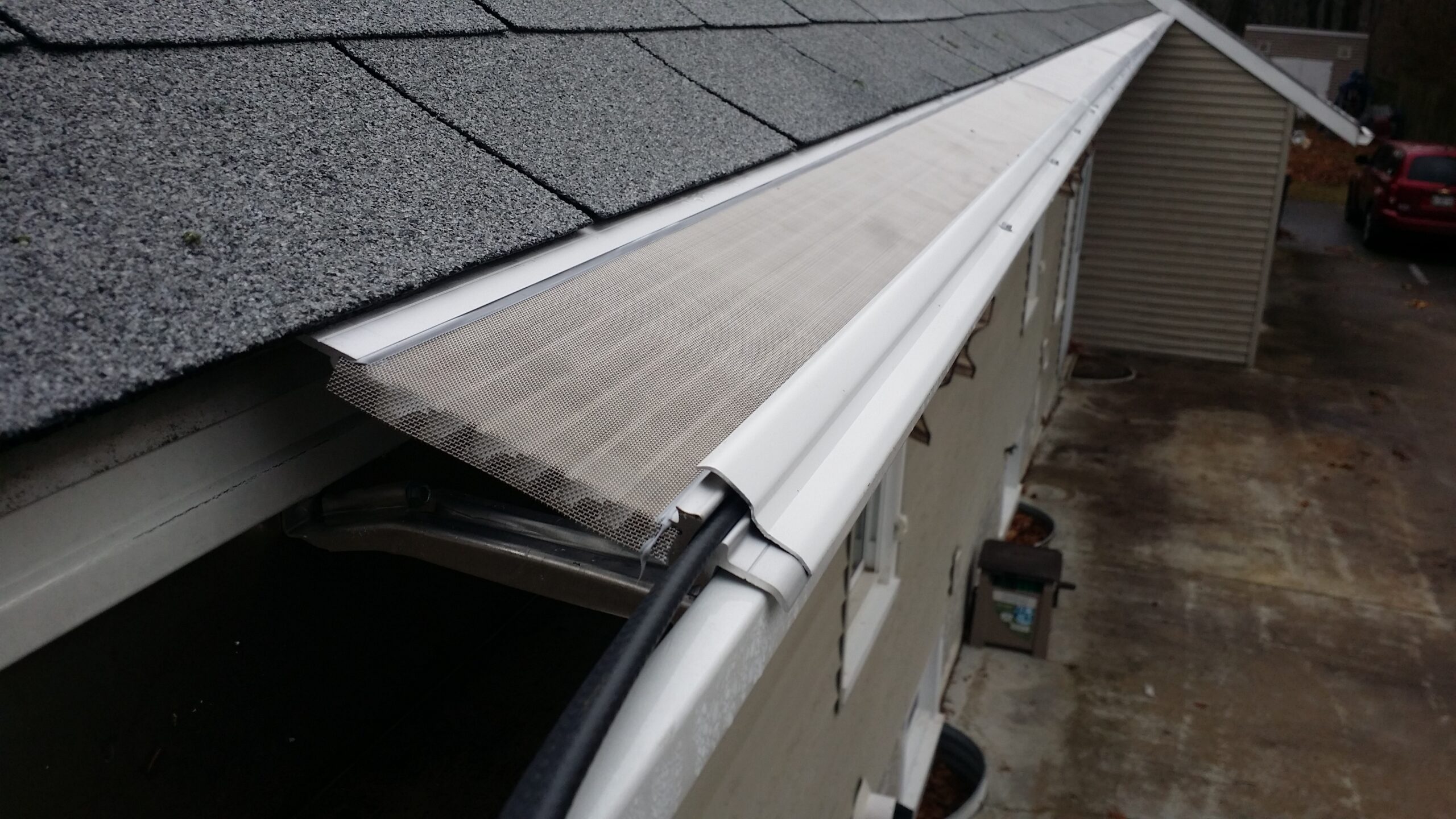
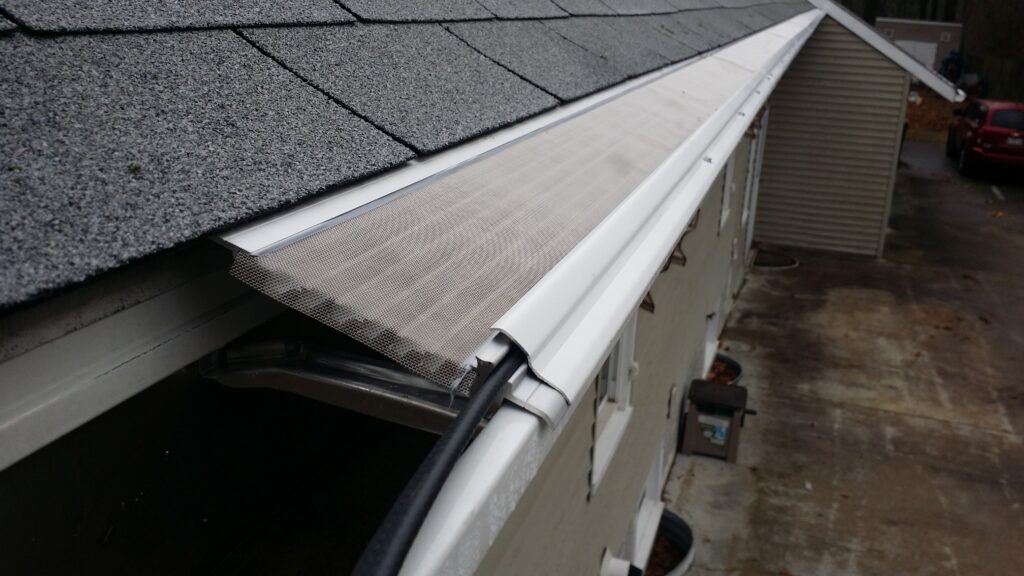
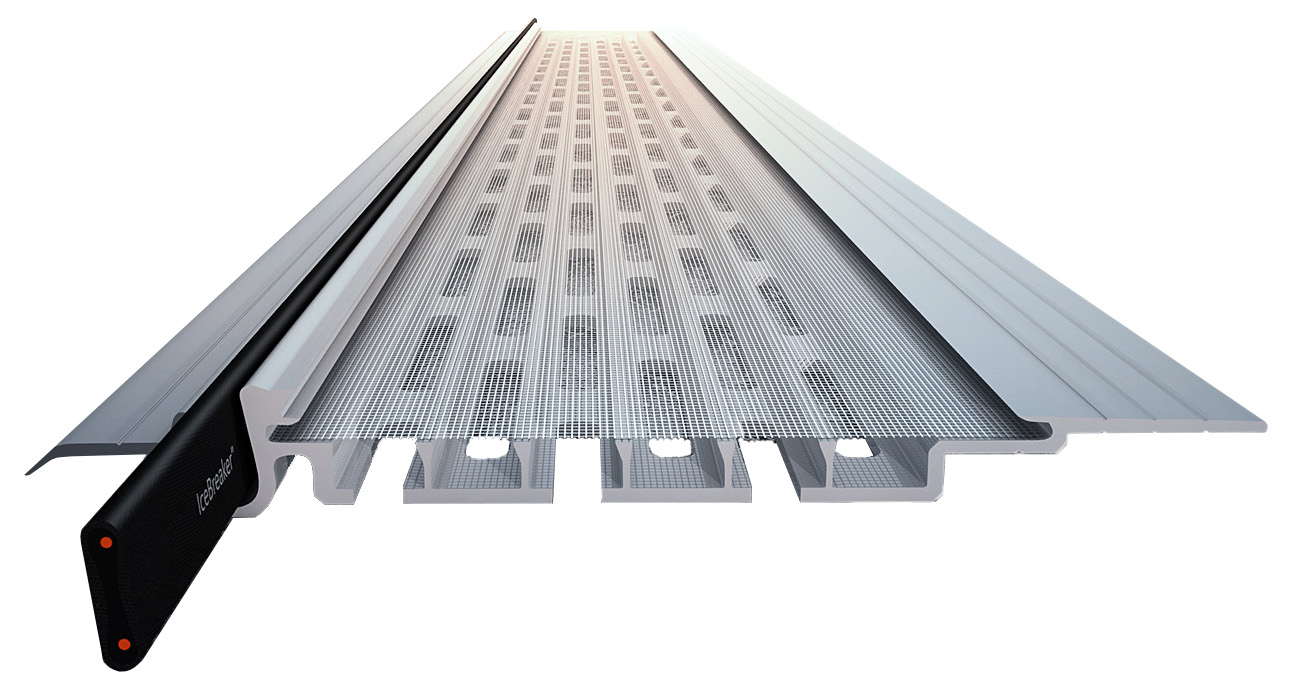
IceBreaker heated gutter guards installed by AmeriGutter
The math, step by step
Three numbers decide the bill: watts per foot, hours of use and your electric rate.
Self-regulating cable draws roughly 5 to 8 watts per foot in freezing weather. For 100 feet, that is 0.5 to 0.8 kilowatts.
On a controller, the cable runs when there is snow or ice and the temperature is near freezing. In a typical New England winter that is often 400 to 800 hours.
Multiply the two: 0.5 kW for 400 hours is 200 kWh, and 0.8 kW for 800 hours is 640 kWh.
At about 30 cents per kWh, that is roughly $60 to $190 for the season.
Rates in New England are among the highest in the country. Use your own rate from your bill or the EIA state electricity profiles to adjust the numbers.
How to check what your system actually uses
Most heated gutter systems are hard-wired, so you cannot plug them into a meter. Two simple checks work instead. Many utilities in RI, MA and CT show hourly or daily usage online, so you can compare a snowy week with a dry one. You can also read the meter before and after a stretch of time when nothing else big is running.
If the numbers look high, check the controller first. A sensor stuck on, or a system left on a plain switch, is the usual cause.
Running cost by length
Feet heated
Typical season on a controller
40 feet (one porch or doorway run)
About $25 to $75
100 feet
About $60 to $190
150 feet
About $90 to $290
These assume self-regulating cable, a controller and about 30 cents per kWh. A very cold, snowy winter adds hours and moves you toward the top of each range.
How a heated gutter guard keeps the roof edge clear
Why the controller matters most
The biggest difference in running cost is not the cable. It is how it is switched. A plain switch or plug-in timer runs the cable whether there is snow on the roof or not. A controller with temperature and moisture sensing runs it only when ice can form, which can cut the hours a lot.
Self-regulating cable helps too. It draws less power as it warms, so on a 34-degree afternoon it uses a fraction of what it uses on a 15-degree night. Constant-wattage tape draws the same power all the time.
When to switch the system on and off
With a controller, the system decides for itself, so you can leave it powered from late fall to early spring. The controller keeps the cable off on dry days and above freezing. With a plain switch, you have to remember to turn it on before storms and off after the melt, which is where most wasted hours come from.
Either way, switch the whole system off at the breaker once the risk of snow and ice has passed. In most of RI, MA and CT that is sometime in April. Then turn it back on in late November and check that the controller lights come on.
Heated gutter guards vs heat tape on running cost
Per foot, the cable draws similar power. The difference is in how many feet you need and how it is controlled. Heat tape zigzags up and down the roof edge, so a 40-foot eave can need 80 or more feet of cable. A heated guard runs once along the gutter and down the downspouts.
For a run that ices up every winter over a living space, a heating bill in the low hundreds of dollars is usually small next to an ice dam leak. For a run over a garage that never leaks, it may not be. We go through that trade-off in are heated gutters worth it. If you want us to look at your house, call the owner, Brad, at 888-662-5644.
Common questions
Do heated gutters use a lot of electricity?
Not on a controller. About 100 feet of self-regulating cable typically uses 200 to 640 kWh a season, roughly $60 to $190 at around 30 cents per kWh.
Should heated gutters be left on all winter?
Not with a plain switch. A controller turns them on only when snow or ice can form, which keeps costs down.
Is self-regulating cable cheaper to run?
Yes, usually. It draws less power as it warms up, while constant-wattage cable draws the same power all the time.
Does a controller pay for itself?
Usually, because it stops the cable running on dry days and above freezing. On a large system, those saved hours add up every winter.
Do heated gutters raise my electric bill much?
For most homes, by a modest amount across the season. Heating only the problem runs keeps it low.
Want a real number for your home instead of a national average? We will measure your roof, check your gutters, and quote your gutter guards in writing, at no charge.