Your gutters were just cleaned. So why is water still running down your siding?
The Quick Answer: If water still runs down your siding right after a gutter cleaning, it is not a clog. On many Rhode Island, Massachusetts, and Connecticut homes the shingles stop short of the drip edge, so rain curls backward behind the gutter and soaks the fascia board instead of dropping into the trough. The permanent fix is fascia flashing, a strip of custom-bent aluminum tucked under the drip edge and over the back of the gutter, paired with micro-mesh gutter guards to keep the trough itself clear.
The problem: water is dripping behind your gutters, not into them
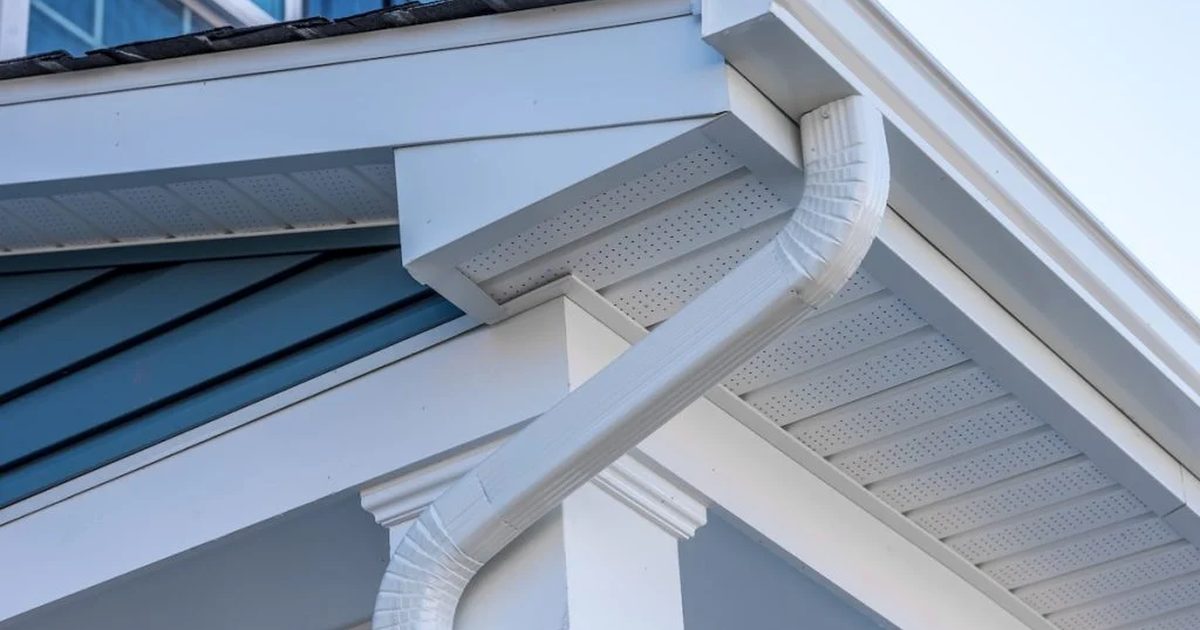
Rainwater runs down the roof, reaches the drip edge, and physics takes over. Instead of falling into the trough, the water clings to the metal and follows it backward. Surface tension pulls it behind the gutter and down the fascia board, the wooden plank your entire gutter system hangs from. Cleaning cannot fix this, and neither can new gutters on their own, because the gap between the drip edge and the gutter is still there.
What that leak is doing to your house right now
Every rain adds a little more water to wood that never fully dries. First the paint on the trim bubbles. Then the fascia softens, and the hangers holding your gutters start pulling loose, which is why you see runs sagging away from rooflines all over New England by March. A sagging gutter dumps water beside your foundation instead of away from it, and now a strip of wet trim has become basement dampness and eroded soil.
By the time most homeowners call us, they no longer need a $300 fix. They need fascia boards rebuilt, gutters rehung, and sometimes soffit replaced, which can run into the thousands. The leak never announces itself. It just compounds quietly until something visibly fails.
The cost of waiting on a hidden leak
Typical cost
Fix it now – fascia flashing
$300–$600
Within a year – rotted fascia boards rebuilt
$500–$2,400
Gutters rehung + fascia replaced
$2,500–$3,500
Fascia, soffit & gutter system rebuilt
$5,000+
Ranges reflect 2026 contractor cost data for RI, MA & CT homes. Your exact quote depends on footage, roof height, and the condition of the wood.
And here is the part that stings: none of the products being advertised at you solve it. Gutter guards, hooded covers, bigger downspouts, none of them touch water that goes behind the system.
The solution: seal the gap, then guard the gutter
The fix is fascia flashing. We bend aluminum flashing to fit under your existing drip edge and extend it out over the back lip of the gutter, so backward-curling water has nowhere left to go except into the trough. If we find soft wood during the install, we replace it in the same visit instead of flashing over a problem.
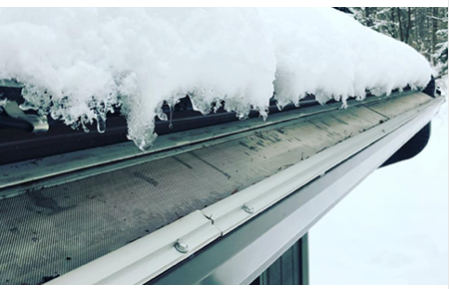
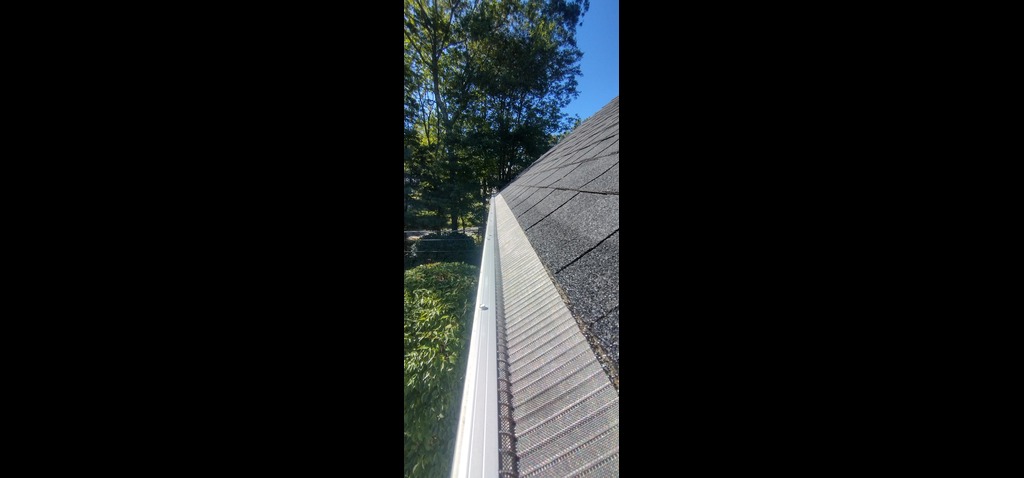
With the gap sealed, gutter guards finish the job by keeping the trough itself clear. For New England we install Gutterglove micro-mesh gutter guards, a stainless steel screen fine enough to stop pine needles and shingle grit. The hooded covers sold by LeafGuard and GutterShutter dealers rely on water wrapping around a curved lip, which heavy downpours can overshoot, and the hoods need periodic scrubbing to keep flowing. Micro-mesh has no curve to overshoot. LeafFilter installs micro-mesh too, but as a national franchise its crews and prices vary by territory, and it will not print a number online.
We will. Recent industry surveys put professional micro-mesh gutter guard installation around $15 to $17 per linear foot, and a typical home here carries 120 to 200 feet of gutter. Flashing added during that same visit costs a fraction of the fascia rebuild it prevents. Exact pricing depends on footage, roof height, and the condition of your wood, so we quote after looking, not over the phone.
The right configuration shifts by area. Coastal Rhode Island homes need the sealed flashing most, because damp air and freeze-thaw swings destroy wet wood fast. Around Worcester, ice dams argue for heated gutter guards that melt buildup before it forms. Connecticut’s sudden downpours overwhelm older systems, so homes around Hartford often step up to 6-inch seamless gutters.
If water ran down your siding in the last storm, the gap is already there and it will not close itself. Book a free roofline inspection with AmeriGutter, or call +1 888-662-5644. We will show you exactly where the water is going and quote the fix in writing.