What policies usually pay for, what they do not, and how to prepare.
The quick answer: does insurance cover ice dam damage? Often, partly. Many standard homeowners policies treat water that leaks inside from an ice dam as sudden and accidental damage, so ceilings, walls and insulation may be covered. The ice removal, the gutters and wear-and-tear problems usually are not. Every policy is different, so read yours and ask your agent. Preventing the next dam with sealing, insulation and heated gutter guards is the part you control.
Ice dam and icicles at a roof edge in winter
What is usually covered
Water damage inside the house from a sudden ice dam leak, such as stained ceilings, wet drywall and soaked insulation
Damage to finished surfaces like paint and flooring caused by that leak
Sometimes, damage to the roof deck or shingles caused by the backed-up water
The key word in most policies is sudden. Insurers usually treat a leak that appears during a storm differently from slow damage that has been building for years.
What is usually not covered
Removing the ice dam itself, unless you need removal to stop active damage
Gutters, fascia or shingles that were already worn or failing
Damage from long-term neglect or repeated leaks that were never fixed
Mold, which many policies limit or exclude
Upgrades that prevent future dams, like insulation or heated gutter guards
Deductibles matter too, because they come off the top. A small ceiling stain can cost less to fix than the deductible, so it may not be worth a claim.
Ice dam damage vs other winter claims
Insurers often separate ice dam leaks from other winter problems. Frozen pipes that burst inside the house are usually handled as sudden water damage too, but some policies require that you kept the heat on. Roof collapse from snow weight is its own category. Flooding from melting snow on the ground is usually excluded and needs separate flood coverage.
When you call, describe exactly where the water came from. “Water came through the ceiling under an ice dam at the eave” is clearer than “we had a leak,” and it helps the adjuster file it correctly.
How heat loss and a cold roof edge create an ice dam
What to do if an ice dam leaks
Stop the water where you safely can. Clear downspouts, rake snow off the lower roof from the ground and catch drips inside.
Take photos and video of the ice, the roof edge and every stain or wet area inside.
Call your insurer or agent early and ask how they want the claim handled.
Keep receipts for emergency work, such as steam removal or water extraction.
Do not throw out damaged materials until the adjuster has seen them, unless they are a safety risk.
How to check your own policy
Look for the sections on water damage, roof damage and exclusions. Note your deductible and any limits on mold. If something is unclear, ask your agent to explain it in writing. Massachusetts homeowners can find consumer guidance and complaint help through the Massachusetts Division of Insurance. Rhode Island and Connecticut have their own state insurance regulators with similar help lines.
This article is general information, not insurance or legal advice. In the end, your policy wording decides what your insurer pays.
Questions to ask your agent
Does my policy cover water damage from an ice dam, and are there any limits?
Does it cover the roof deck or shingles damaged by the backed-up water?
Will it pay for ice dam removal if the dam is causing active damage?
How does mold coverage work, and is there a cap?
What is my deductible for this kind of claim?
Would a claim now affect my premium or renewal?
Write down the answers and the date, so you have them next winter. That way you can decide quickly whether a small leak is worth a claim.
Why prevention matters for future claims
Insurers expect homeowners to keep up basic maintenance. A second claim for the same leak, on the same part of the house, can be harder to get paid if nothing was done after the first one. Fixing the cause also protects you from the deductible and the hassle each winter.
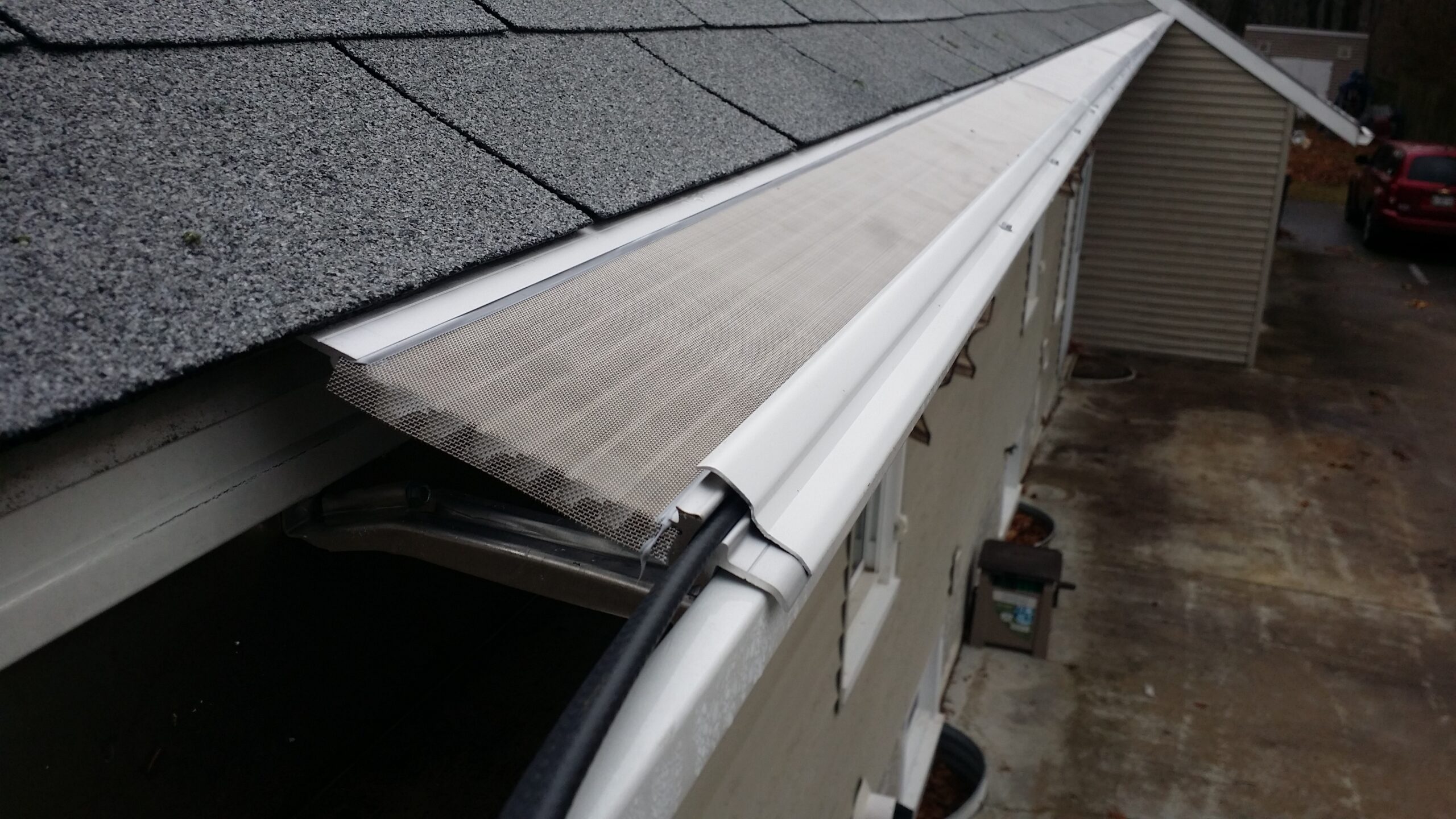
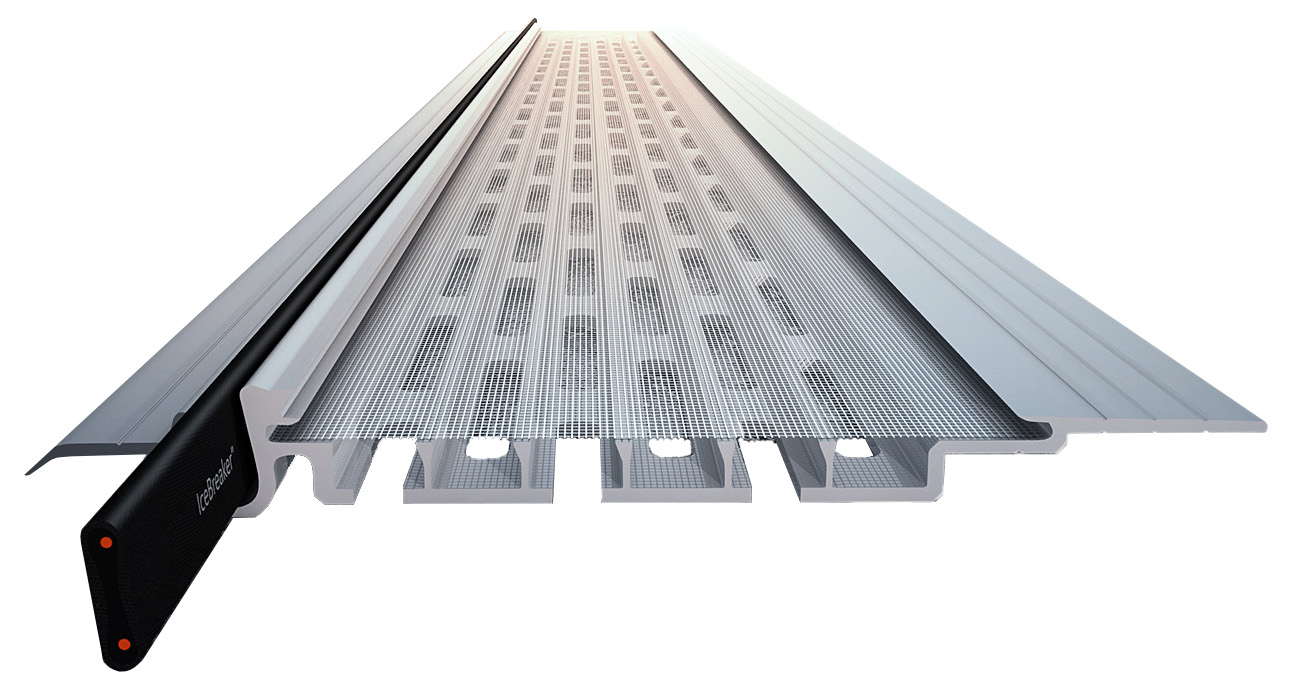
Prevention has two parts. Keep heat out of the roof by sealing attic air leaks and adding insulation. Then give meltwater a way off the roof edge. That second part is what heated gutter guards do, by keeping the gutter and downspouts open all winter.
What prevention costs compared with a claim
Heated gutter guards typically cost about $30 to $45 per foot installed in RI, MA and CT, and most homes heat only the runs that ice up. Our heated gutter guards cost guide has the full breakdown. Compare that with the deductible plus the repairs that insurance does not pay for, and with how often the same run has leaked.
If you are not sure whether your house needs it, read are heated gutters worth it, or ask us to look. Call the owner, Brad, at 888-662-5644.
Common questions
Does homeowners insurance pay to remove ice dams?
Usually not, unless you need removal to stop active damage. Ask your insurer before paying for removal.
Will insurance pay for heated gutter guards?
Generally no. Policies pay for sudden damage, not upgrades that prevent it.
Should I file a claim for a small ice dam leak?
Compare the repair cost with your deductible first. A small stain may cost less to fix than the deductible.
How do I prove ice dam damage?
Photograph the ice, the roof edge and every wet area inside as soon as you see them, and keep receipts for emergency work.
Does insurance cover gutters damaged by ice?
Often not, especially if the gutters were old or loose. Some policies cover gutters torn off by a sudden ice load, so ask your agent.
Want a real number for your home instead of a national average? We will measure your roof, check your gutters, and quote your gutter guards in writing, at no charge.