Typical 2026 prices, running costs and what moves the quote.
The quick answer: heated gutter guards cost most homeowners in Rhode Island, Massachusetts and Connecticut about $30 to $45 per foot installed, including the controller and the electrical connection. Most homes heat only the runs that ice up, so a typical project lands around $2,500 to $7,500. Running the system costs roughly $60 to $190 a season for 100 feet. These are typical ranges for the IceBreaker heated gutter guards we install, and you get a written quote after a free visit.
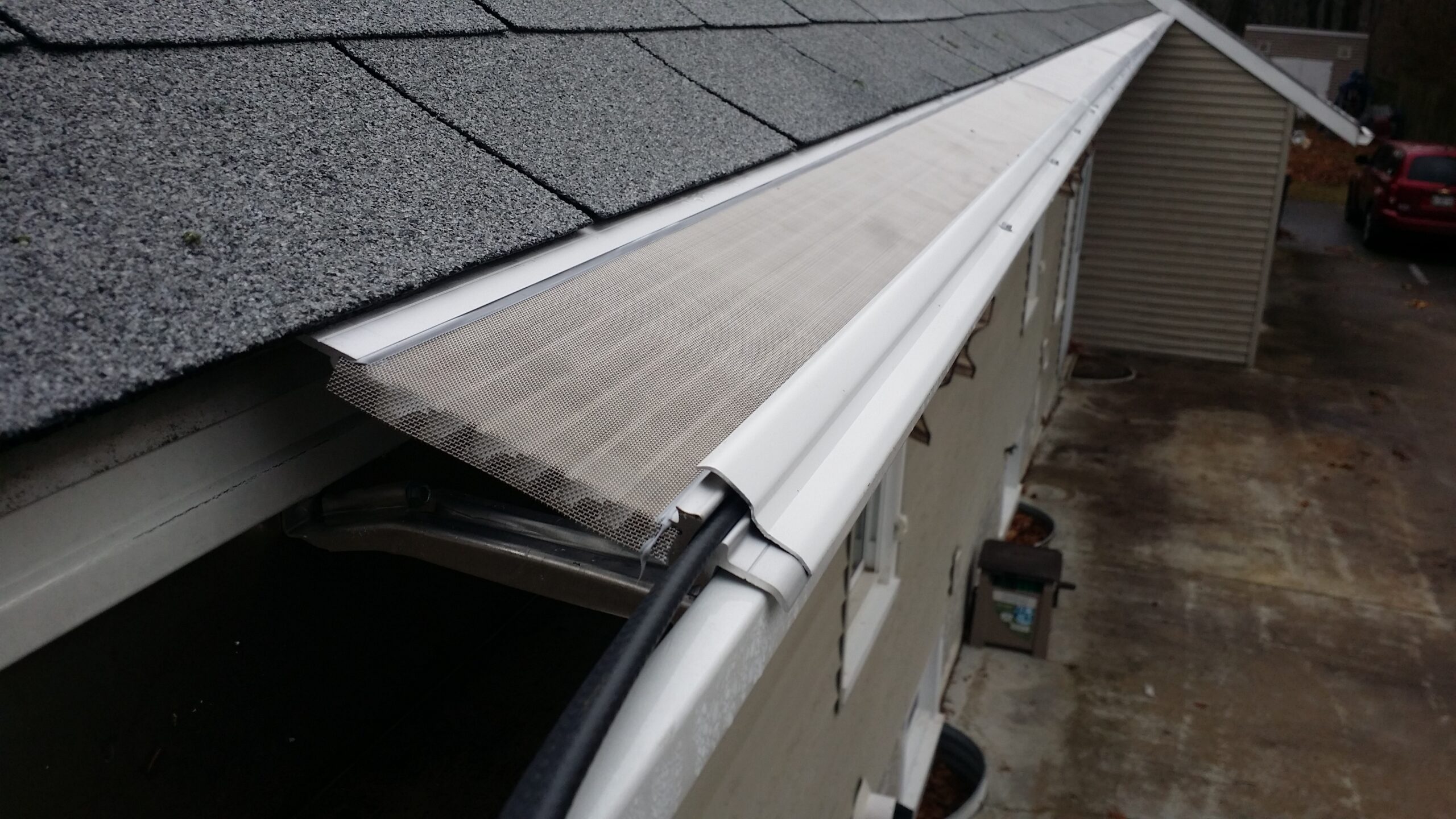
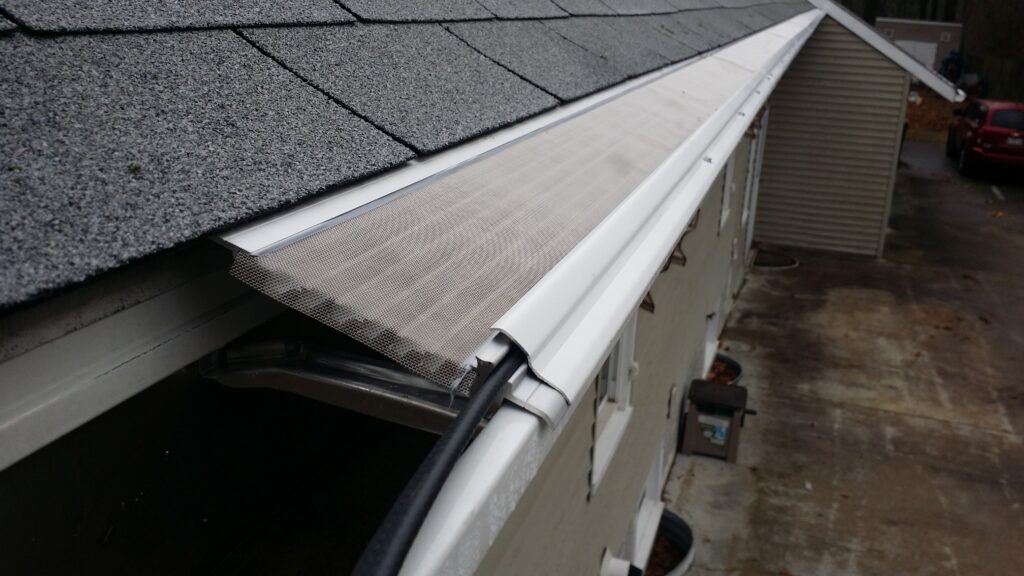
IceBreaker heated gutter guards installed by AmeriGutter
Heated gutter guards cost at a glance
Item
Typical range in RI, MA and CT
IceBreaker heated gutter guard, installed, with controller and electrical work
About $30 to $45 per foot
Typical heated project (60 to 150 feet of problem runs)
About $2,500 to $7,500
Unheated Gutterglove Pro on the remaining runs
$8 to $12 per foot
Heat tape or roof cable, installed, for comparison
About $10 to $25 per foot
Running cost, 100 feet on a controller
About $60 to $190 a season
Why most homes do not heat every foot
Ice does not form evenly around a house. It builds on the north side, under valleys, over low porch roofs and above doors and walkways. The south side of the same roof can stay clear all winter. So we mark the runs that ice up and heat those. The rest gets unheated Gutterglove Pro, which keeps leaves out at $8 to $12 a foot.
On a typical colonial that might mean 80 feet heated and 100 feet unheated, instead of 180 feet of heat. That is the difference between a project at the low end of the range and one at the top. Our gutter guards cost guide covers the unheated side in detail.
What moves the price up or down
How many feet are heated
How many downspouts the cable has to run down
Roof height and access, including steep pitches and second stories
How far the runs are from a power source
Whether the gutters are sound or need replacing first
Copper or other non-standard gutters
The electrical work is part of every quote, because a licensed electrician makes the connection with a controller. If there is no outdoor circuit near the runs, that adds to the cost.
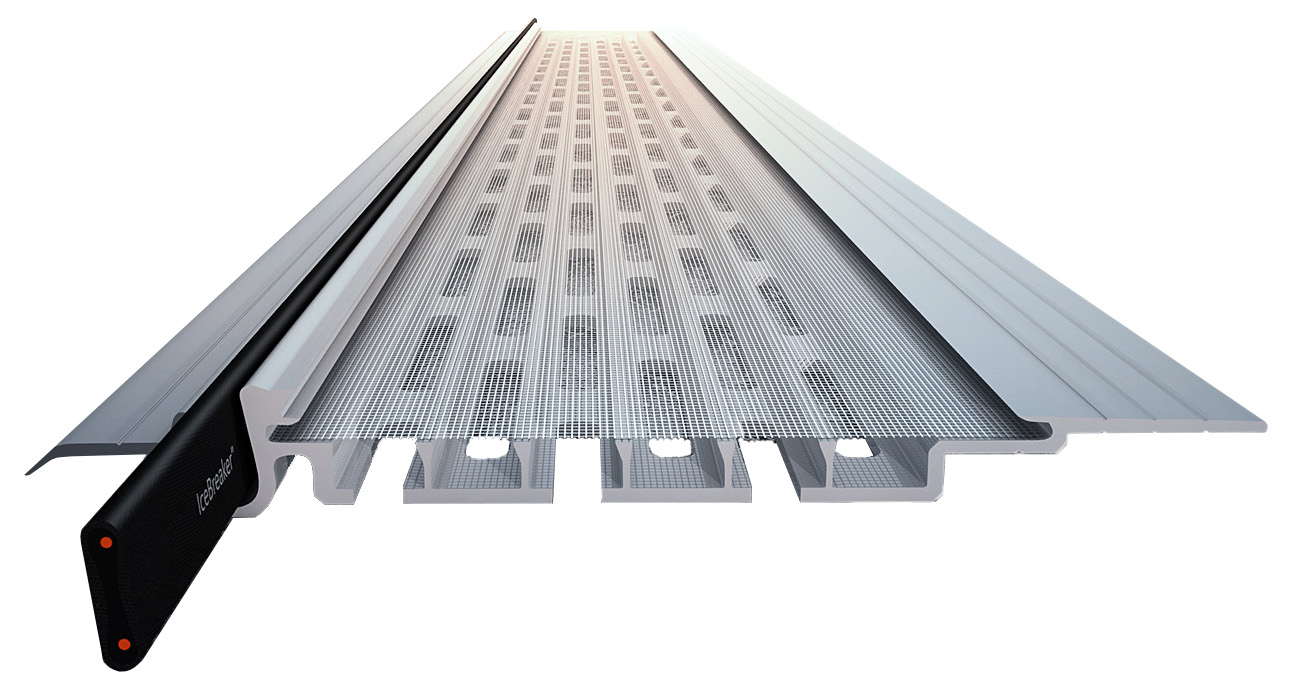
Gutterglove IceBreaker heated gutter guard
Replacing gutters at the same time
Heated guards need sound gutters underneath. If your gutters are sagging, leaking at the seams or pitched the wrong way, it makes sense to replace them first. We hang new 5-inch and 6-inch seamless gutters and fit the guards in the same visit. Doing both together saves a second setup and makes sure the heated runs drain the way they should.
Bigger 6-inch gutters also help on long roofs and under valleys, where a lot of meltwater arrives at once. That can be the difference between a heated run that keeps up in a thaw and one that overflows.
What the price includes
Every heated quote from us covers the same items, so you can compare apples to apples:
The IceBreaker guards on the heated runs
Self-regulating heat cable in the guard housing and down each downspout
The controller and the electrical connection by a licensed electrician
Gutterglove Pro on the unheated runs, if you want the whole house covered
Testing the system and registering the guards for the warranty
If another quote looks much cheaper, check whether it includes the electrical work and the downspouts. Those two items are where most of the difference hides.
What it costs to run heated gutter guards
Self-regulating cable draws roughly 5 to 8 watts per foot in freezing weather and less as it warms up. A controller keeps it off when there is no snow or ice. Run 100 feet for 400 to 800 hours in a season at about 30 cents per kWh, and you land between about $60 and $190. A long, hard winter can push that toward $250.
Electricity in New England costs more than in most of the country, so plug in your own rate from the EIA state electricity profiles. Heating fewer feet is the easiest way to keep the bill down. Our guide to the cost to run heated gutters has a table by length.
Heated gutter guards vs heat tape on cost
Heat tape is cheaper to put in, at roughly $10 to $25 a foot installed. But it does nothing about leaves, so most homes still need guards or regular cleaning on top of it. Clips also loosen and need re-hanging. When you add those costs, the gap narrows. Our heat tape vs heated gutter guards comparison walks through it, and best heated gutter guards compared covers the other heated systems.
Ways to keep the cost down
The easiest saving is heating fewer feet. Most houses only ice up on two or three runs, and heating those alone can cut a quote in half compared with the whole house. Sealing attic air leaks also helps, because less heat reaching the roof means less melting and refreezing at the edge.
Timing matters too. Fall, before the first snow, is the best time to book, so the system is ready when it is needed. Winter installs are possible when the roof edge is clear, but storms can push dates back.
Are heated gutter guards worth the cost?
If you get icicles, iced-up gutters, frozen downspouts or ice dam leaks most winters, usually yes. A single ice dam leak can mean new drywall, paint and insulation inside, on top of fascia repairs outside. If leaves are your only problem, unheated guards are the better buy. We go through the trade-offs in are heated gutters worth it.
How we quote
We visit for free, walk the house and mark the runs that ice up. You get a written quote that lists heated runs, unheated runs, downspouts, the controller and the electrical work. The system carries a 40-year manufacturer warranty, and we warranty our own installation for five years. Call the owner, Brad, at 888-662-5644 to book a visit.
Common questions
How much do heated gutter guards cost per foot?
In RI, MA and CT, about $30 to $45 per foot installed, including the controller and electrical connection.
How much does it cost to heat a whole house of gutters?
Most homes do not need it. Heating only the runs that ice up, usually 60 to 150 feet, keeps typical projects around $2,500 to $7,500.
Do heated gutter guards use a lot of electricity?
Not on a controller. Expect about $60 to $190 a season for 100 feet at around 30 cents per kWh, more in a long, hard winter.
Does insurance pay for heated gutter guards?
Usually not. Homeowners policies tend to cover sudden water damage, not upgrades that prevent it. Ask your agent what your policy covers.
When is the best time to install heated gutter guards?
Fall, before the first snow, so the system is ready for the first freeze. Winter installs are possible when the roof edge is clear of ice.
Want a real number for your home instead of a national average? We will measure your roof, check your gutters, and quote your gutter guards in writing, at no charge.